Food Plot seed products
Most Popular House Seed Mixes
In stock and ready to go, below are some of our most popular Food Plot seed mixes. NativeSeed Group offers a wide variety of ready-to-ship house seed mixes.
-
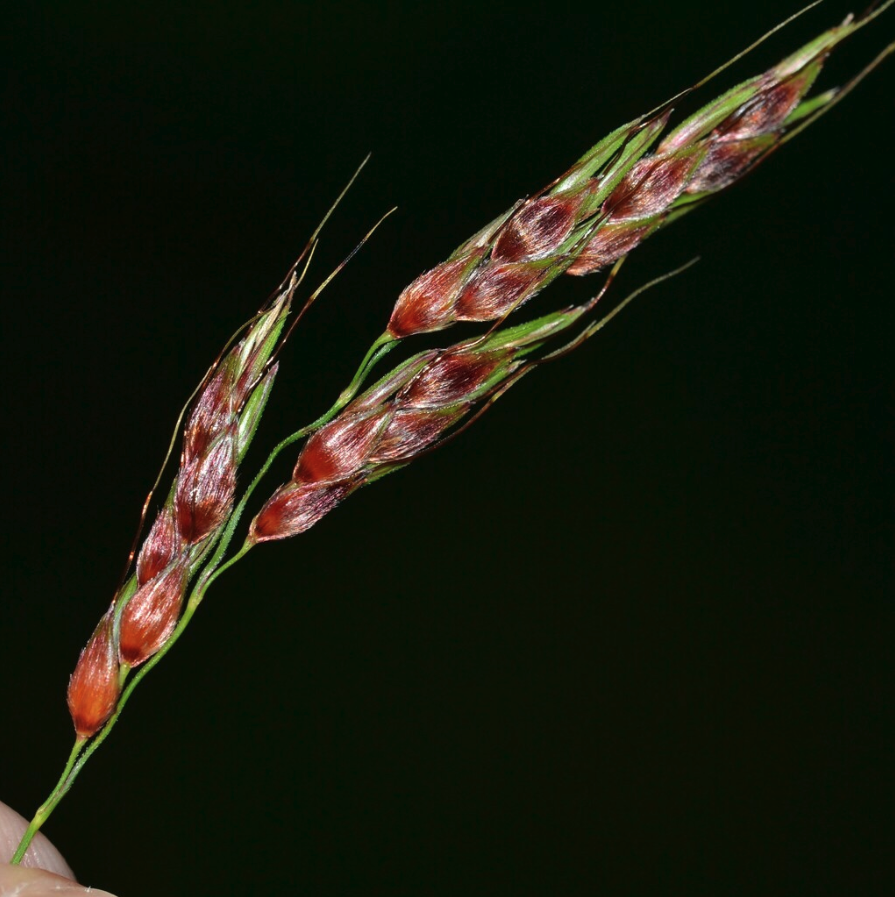
1st Choice BMR Sorghum Sudan
Sorghum Sudan
-

5 Star Bluegrass Blend
Turfgrass blend
-
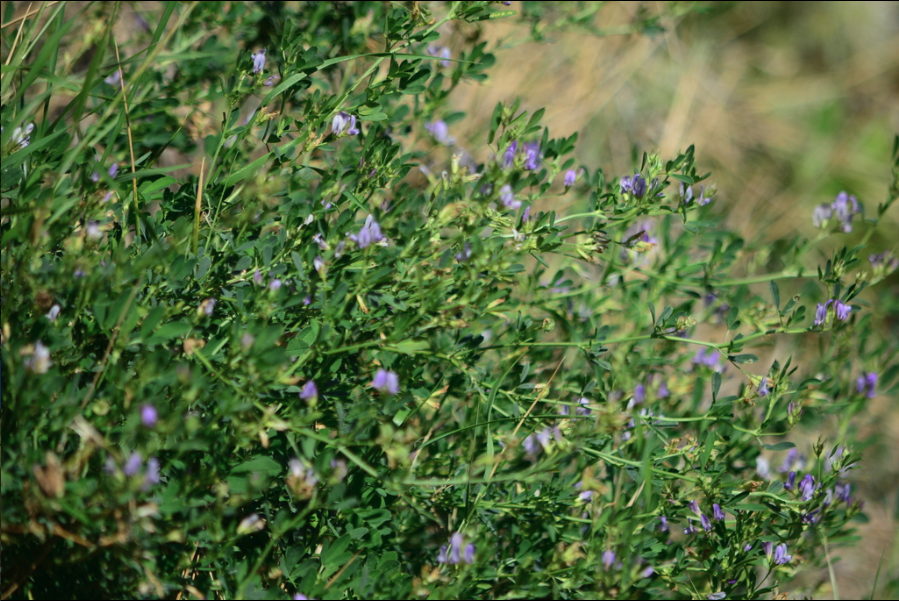
Alfalfa
Medicago sativa
-

All Star Hybrid Pearl Millet
Pennisetum glaucum
-

Arroyo lupine
Lupinus succulentus
-
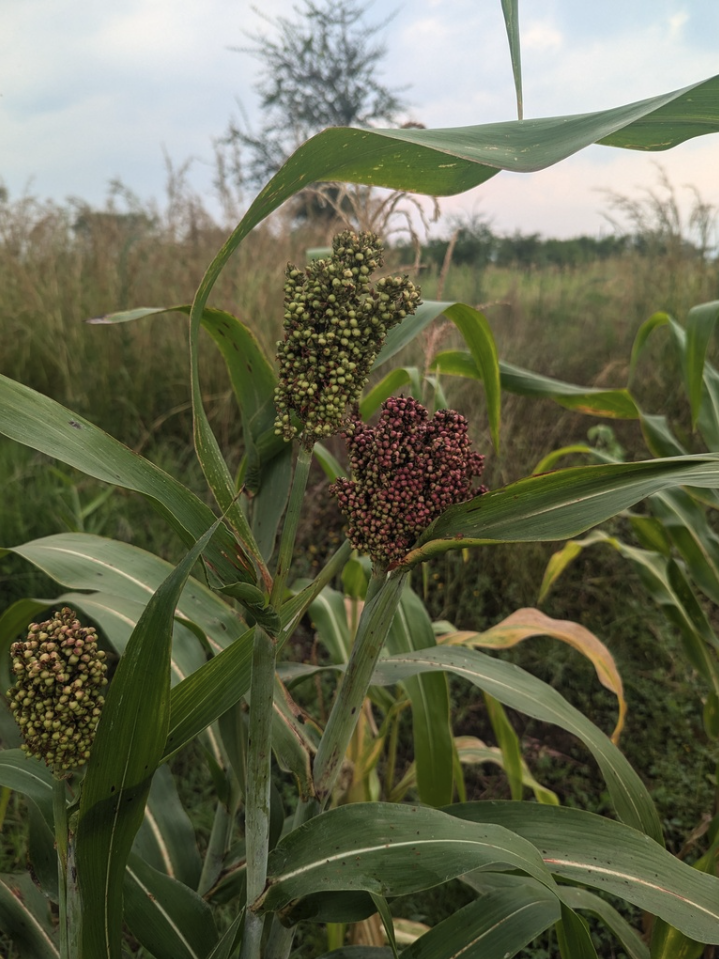
AS212R Grain Sorghum
AS212R Grain Sorghum
-
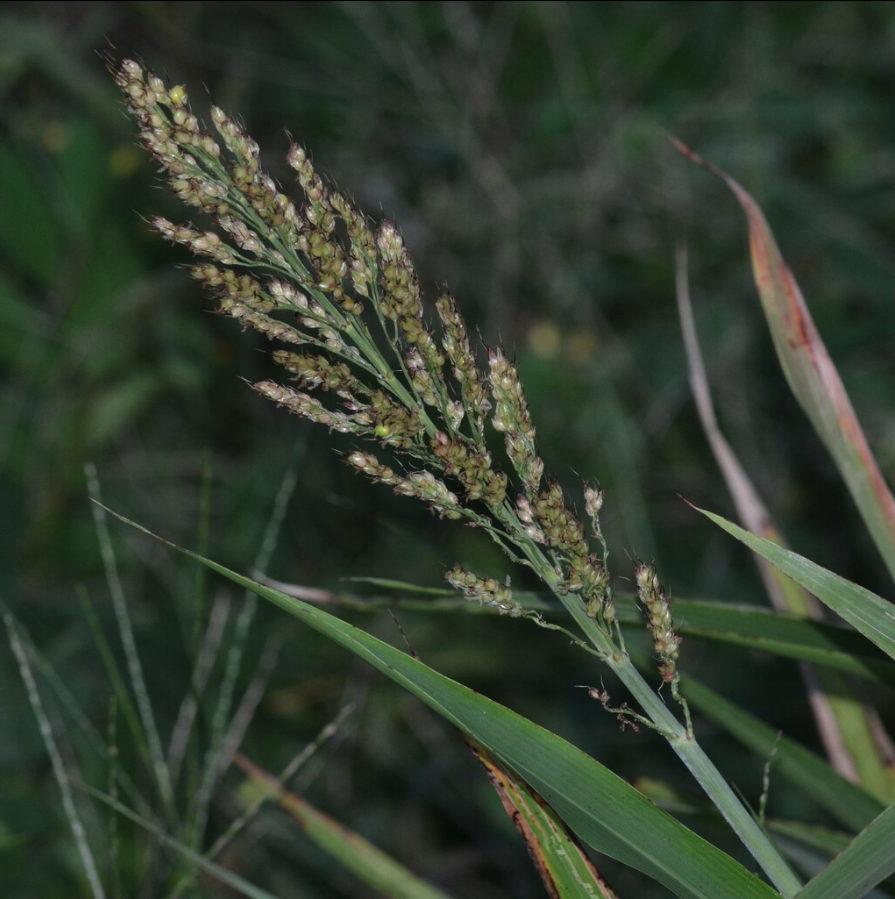
AS258 Grain Sorghum
AS258 Grain Sorghum
-
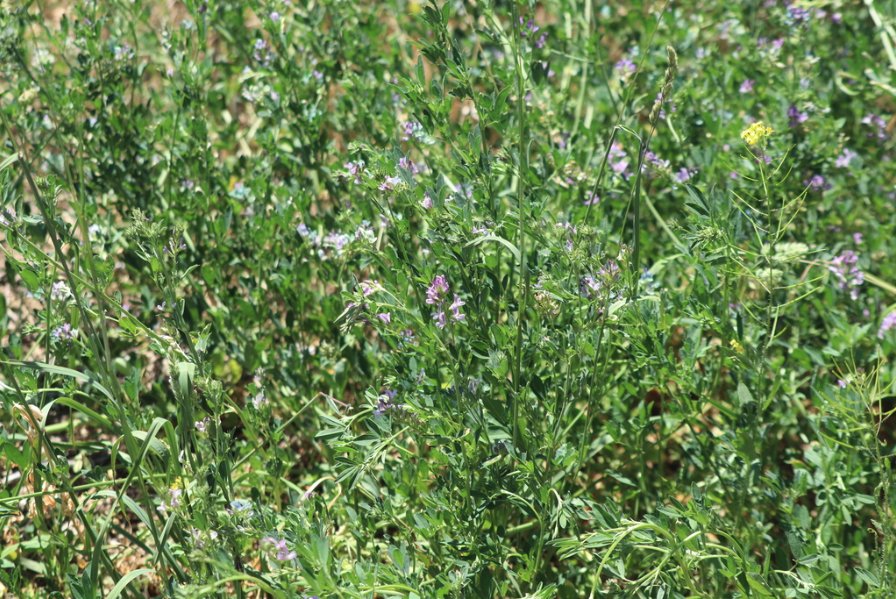
Barricade Alfalfa
Medicago sativa
-
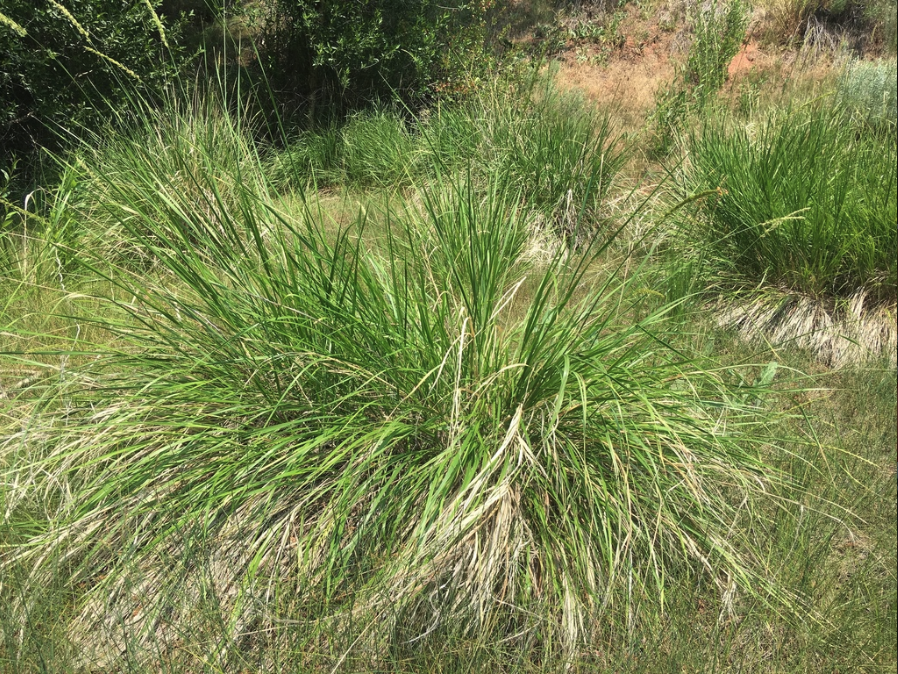
Basin wildrye
Leymus cinereus
-

Blanket flower
Gaillardia aristata
-
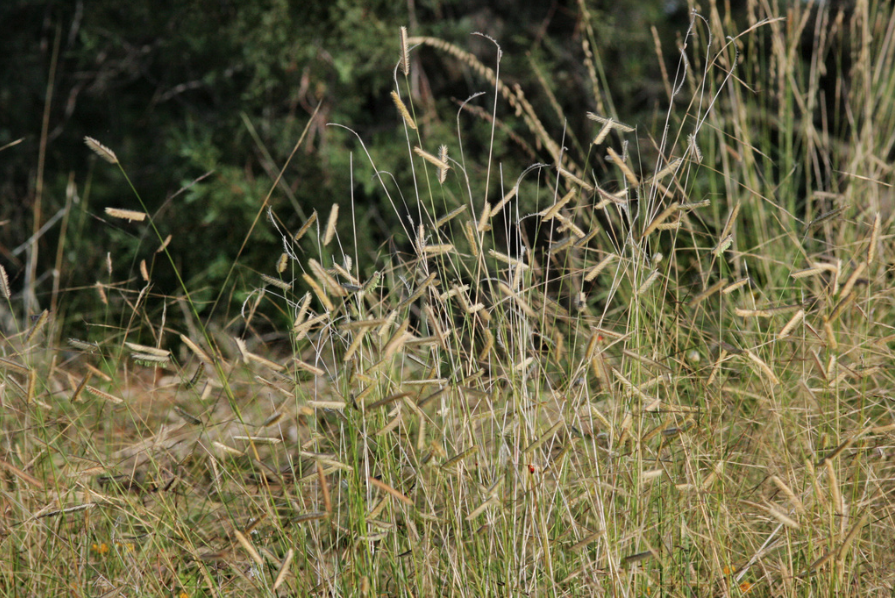
Blue Grama
Bouteloua gracilis
-
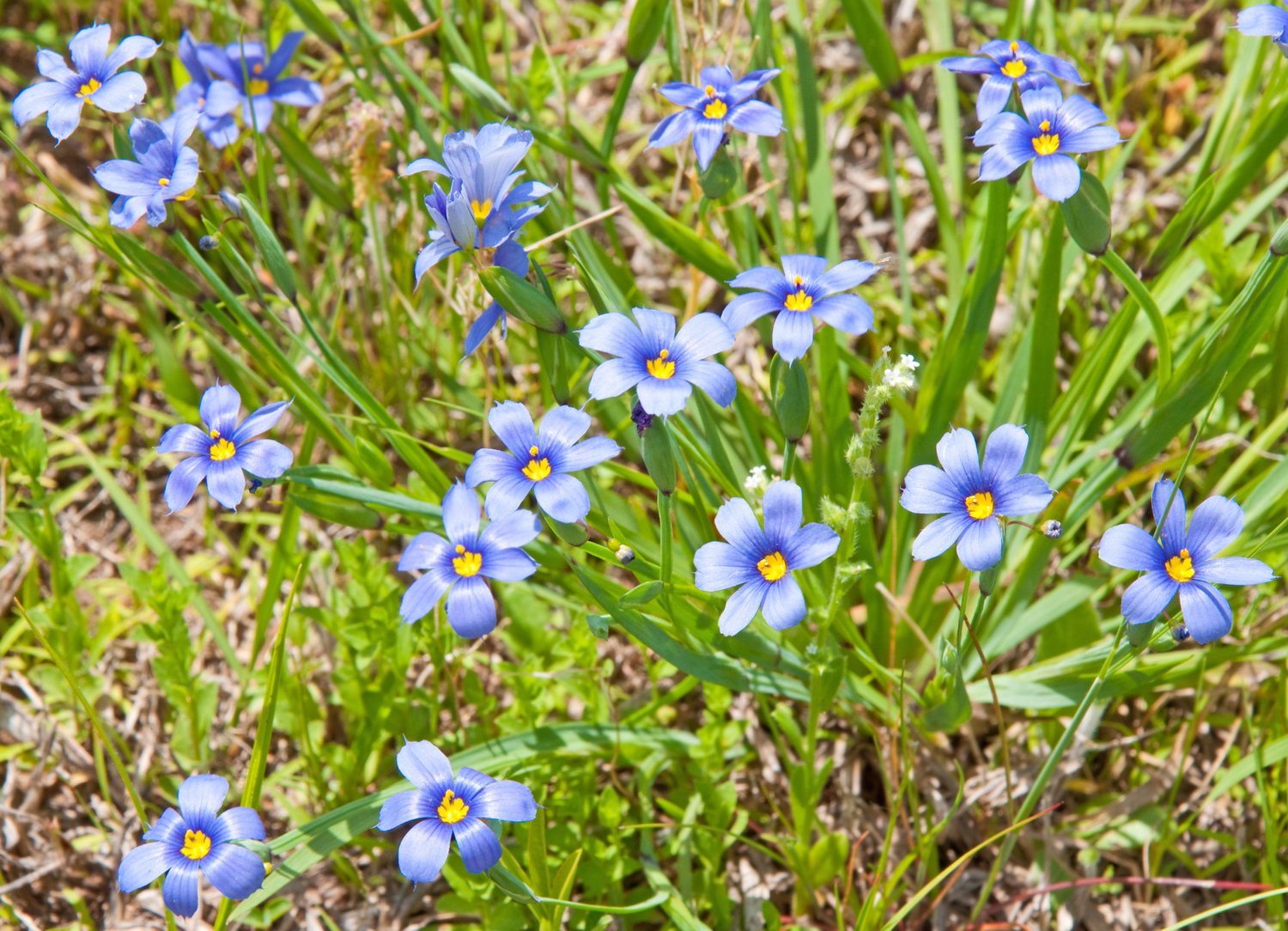
Blue-eyed grass
Sisyrinchium bellum
High-Performance Food Plot Seed Mixes
Our food plot seed mixes are developed to meet the needs of landowners, hunters, and wildlife managers seeking the best food plot production. Each of our custom food plot mixtures balances fast germination, seasonal resilience, geographic factors, and nutritional value.
We offer both annual and perennial food plot seed options, allowing you to customize your planting strategy based on location, soil conditions, and wildlife pressure. From deer plot seed mixes to specialized turkey food plot seed, our blends are built for performance and longevity.
Food Plot Seeds for Every Region and Growing Condition
Top-Performing Food Plot Seeds
Explore our most popular food plot seeds, trusted by landowners and wildlife managers for strong establishment, dependable attraction, and consistent performance.
-

Full Potential is a professional-grade blend of premium alfalfa, red clover, and white clover, formulated to provide consistent, high-energy nutrition for deer, turkey, and other wildlife throughout the year.
Full Potential Food Plot
-

This annual mix grows fast and full—rising up to 14 feet tall—to form a living wall wherever you need one.
Green Screen Food Plot
-
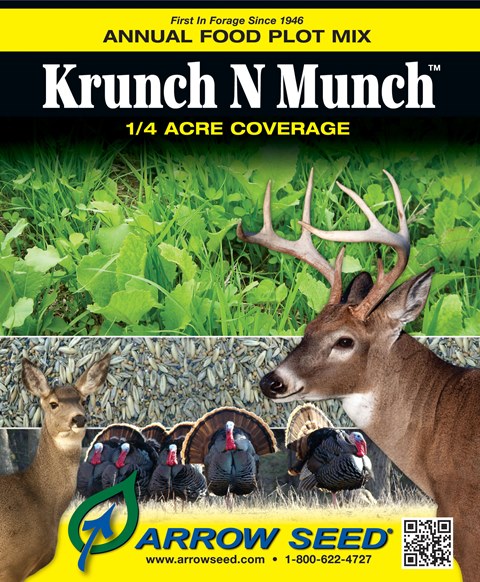
Krunch N Munch Food Plot Mix is a carefully balanced blend of annual and perennial forage species designed to deliver consistent nutrition from spring through late fall.
Krunch and Munch Food Plot
-
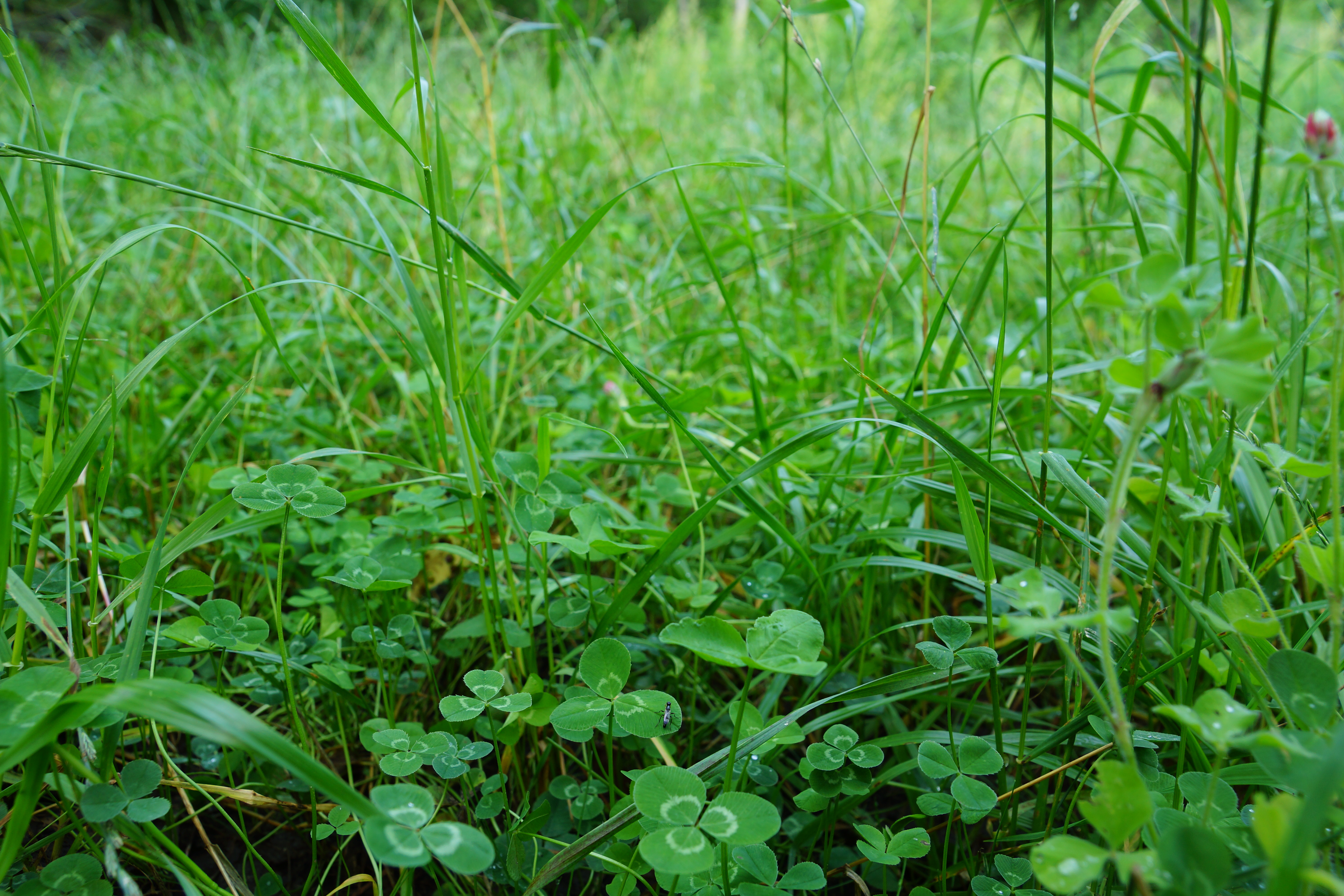
The Shade Mix Food Plot is designed specifically for areas with limited sunlight — such as clear cuts, wooded openings, and trails.
Shade Mix Food Plot
-
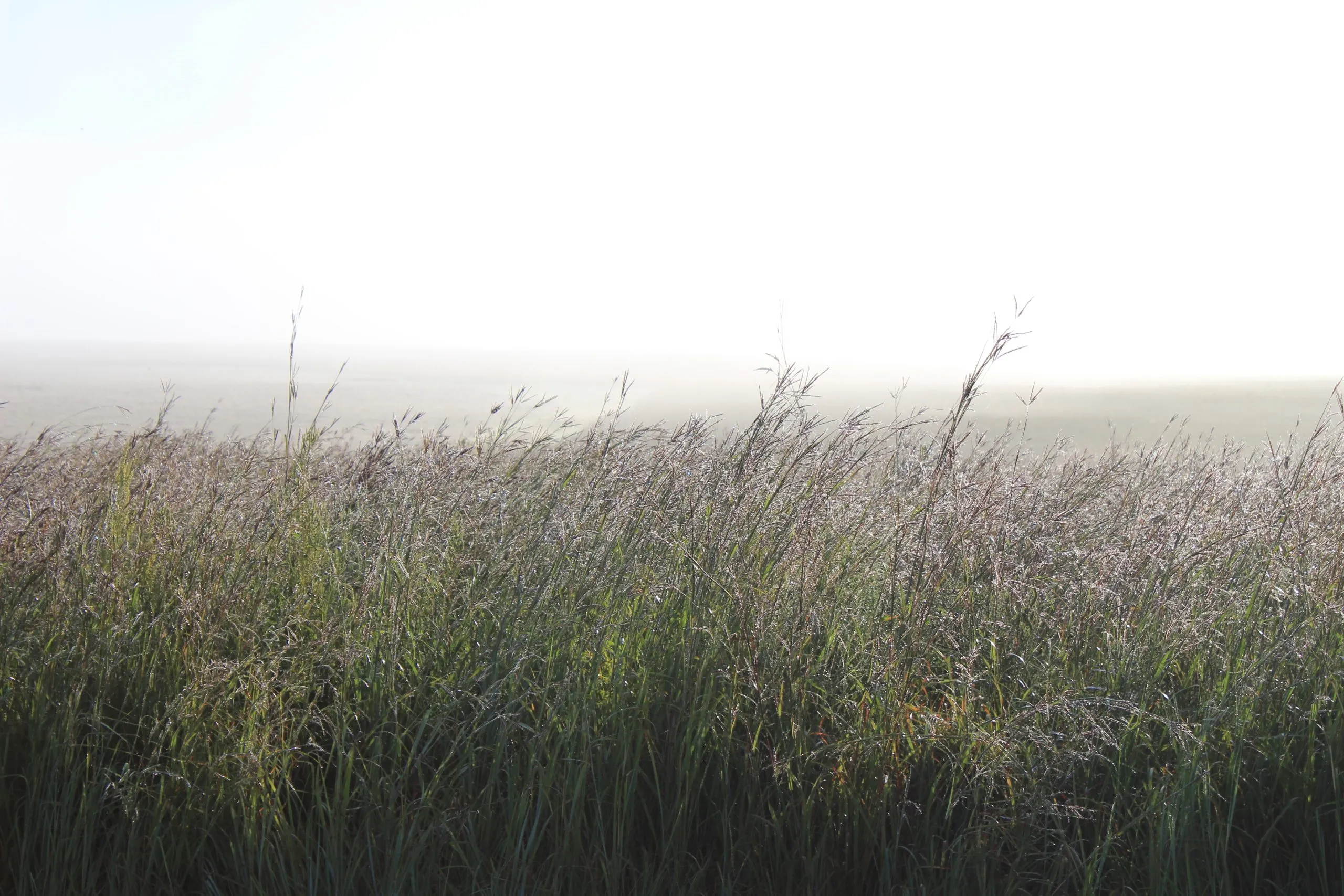
Comprised of carefully selected native grass varieties designed to provide superior bedding and escape cover for whitetail deer Mixture of perennial warm season native grasses
Asylum Insane Deer Bedding
-

Deer Cover Native Grass Mixes are designed to provide dependable, long-term cover and habitat support for wildlife across a variety of landscapes.
Deer Cover Native Grass Mixes
-
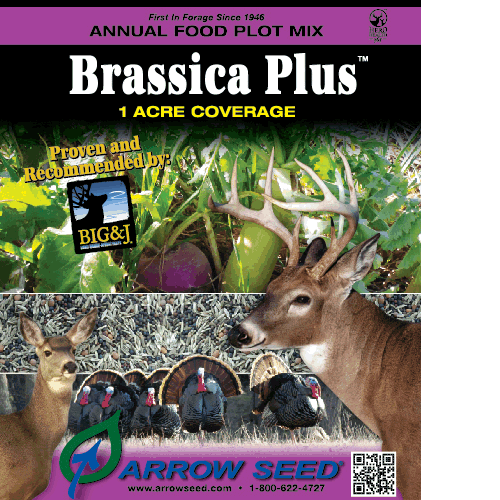
Brassica Plus will provide sweet forage content after a period of frost, giving your deer herd a food source they can’t resist.
Brassica Plus Food Plot Mix
Food Plot Seed Uses
Food Plot serves various purposes across ecological and agricultural domains. Here are some key mix types:
Wildlife Attraction & Nutrition
High-quality food plot seed provides a dependable, nutrient-rich food source that attracts and supports a variety of wildlife - deer, turkey, game species, and more. NativeSeed Group provides food plot mixes specifically designed to attract specific wildlife species. For example, our food plot seeds for deer include proven species that deer love such as clover, brassicas, cereal grains, turnips, corn, and sunflowers. These plants deliver high-protein forage that supports herd health, antler development, and year-round seasonal nutrition.
Hunting & Land Management
Strategically planted food plot seed helps concentrate wildlife activity, improve movement patterns, and reduce pressure on native browse. Using the right food plot seed mix in the right area at the right time allows landowners to create predictable feeding areas that improve hunting success, enhance wildlife observation, and support long-term population management through better habitat planning.
Soil Health & Regeneration
Many food plot seeds, particularly legumes such as clover seed, improve soil health by fixing nitrogen, increasing organic matter, and reducing compaction. Deep-rooted species enhance water infiltration and erosion control, making food plot seed mixtures a valuable tool for long-term land stewardship and sustainable wildlife habitat development.
Year-Round Forage Availability
A well-planned food plot provides consistent forage across seasons by combining cool-season and warm-season species. Crops like wheat, rye, and turnip support winter grazing, while corn and sunflower in food plots sustain wildlife in warmer months, creating a balanced and resilient food plot system.
Find Answers
Frequently Asked Questions
Use our F.A.Q. section to source answers for commonly asked questions.
Yes, planting too much seed can reduce germination and overall plot performance. Over-seeding causes plants to compete for moisture, nutrients, and sunlight, which leads to weaker growth and poor forage production. Following recommended seeding rates for your food plot seed mix ensures proper spacing, stronger establishment, and healthier growth
Most food plot seed can sit in dry soil for 7 to 14 days without rain before germination begins, depending on soil temperature and seed type. Small seeds like clover and brassicas are more sensitive to moisture, while larger seeds such as corn or cereal grains tolerate dry conditions slightly longer. Timely rainfall after planting improves establishment and overall success.
When stored properly in a cool, dry environment, most food plot seeds remain viable for 2 to 5 years. Seed longevity varies by species, with clover and brassicas generally lasting longer than corn or sunflower seeds. For best results, always use fresh food plot seed mixes to ensure strong germination and reliable wildlife attraction.
Sandy soils perform best with drought-tolerant seed varieties that establish quickly and handle low moisture. Clover, rye, oats, chicory, and certain brassicas are excellent choices, especially when blended into a balanced food plot seed mix. These species improve forage production while helping stabilize soil and retain moisture.
For shaded areas, the best food plot species include clover, chicory, and certain cereal grains that tolerate reduced sunlight like those found in our Shade Food Plot Mix. These species establish well under partial canopy and are commonly used in food plot seed mixes designed for timber edges, trails, and woodland openings where sunlight is limited.
The best seed mix for your food plot depends on your location, soil type, and wildlife goals. A high-quality mix that combines annual and perennial species often delivers the best results by providing attraction, nutrition, and seasonal durability. For many land managers, professionally blended, species-specific (e.g., deer, turkey, game) food plot seeds offer the most reliable performance and long-term value.
Connect To A Seed Specialist
Not sure which seed is for you? Connect with a Seed Specialist to get the perfect blend made custom to your needs.
Contact FormJoin our newsletter to stay up to date.
By subscribing you agree to with our Privacy Policy and provide consent to receive updates from our company.
Quick Links
Follow Us
© 2026 NativeSeed Group. All rights reserved.